The Surface Must Be Cleaned, Repaired, and Dried Before the Coating Goes On
How asphalt contractors prepare surfaces for sealcoating starts with a full surface check, a deep cleaning, and small repairs. Contractors need a dry pavement surface, clear edges, and enough time for the area to cure. If dirt, oil, cracks, or loose material stay on the pavement, the sealer may not bond well. In places like Kings Beach, CA, this prep work helps the finished surface last longer and look more even.
What You Need Before Starting
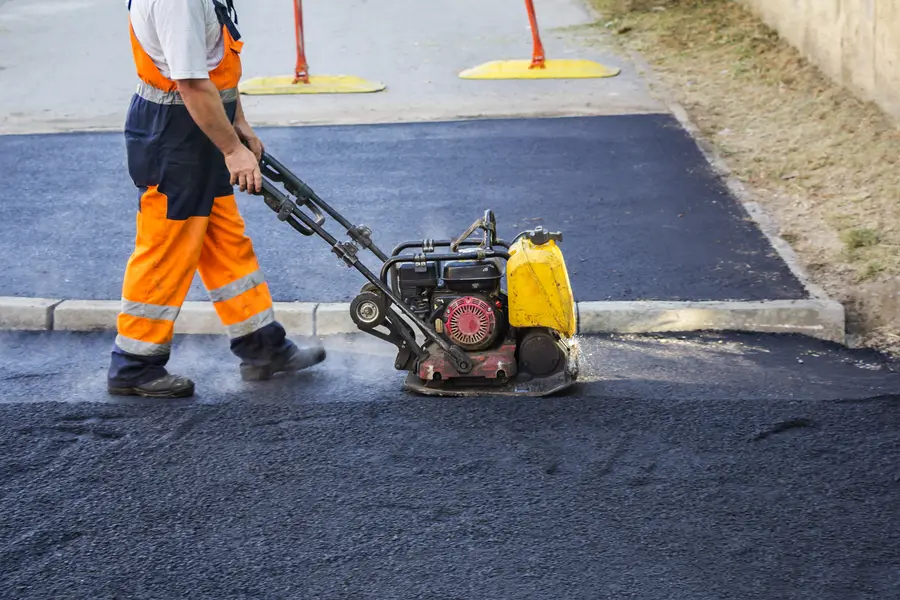
Before any asphalt sealcoating begins, the pavement has to be ready. This means more than having sealer on site. The crew needs the right weather, tools, and surface conditions. A wet lot or driveway can slow the whole job and hurt the final result.
Most contractors check a few basic things first. They look at the age of the pavement, the size of the cracks, oil spots, drainage, and past patch work. They also check if the area had recent paving work. Fresh asphalt often needs time to cure before sealant is applied.
- Dry weather for the full work period
- A surface free of dust and loose gravel
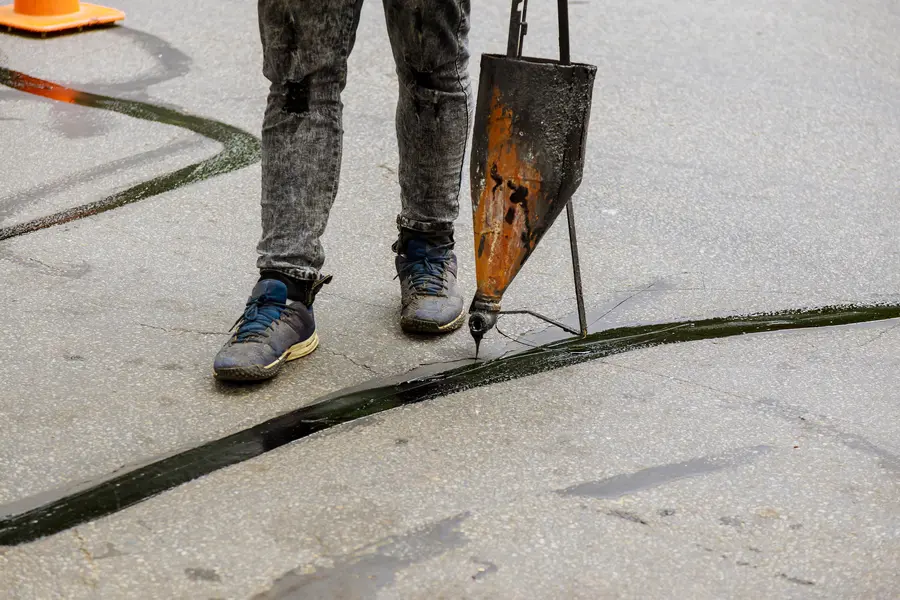
- Cracks marked for repair
- Oil spots cleaned and treated
- Grass and weeds trimmed at the edges
- Tools ready for cleaning and application
If the surface is part of a larger service category, such as parking lot maintenance, this prep stage also helps crews spot safety issues like faded striping, rough trip areas, or weak edges.
Step-by-Step Process
Good prep follows a clear order. Skipping steps can lead to peeling, thin spots, or early wear. Here is the basic process contractors use before they apply asphalt sealcoating.
- Inspect the full surface. The crew walks the area and marks cracks, potholes, oil spots, and drainage problems.
- Clear the space. Cars, planters, and other items are moved away so the whole surface can be reached.
- Sweep and blow off debris. Dirt, leaves, sand, and small stones are removed from the pavement.
- Treat oil spots. Heavy oil can block sealer from sticking, so those areas need special cleaning or primer.
- Trim edges and remove weeds. Grass along the sides can trap moisture and make the edges weak.
- Repair cracks and holes. Crack filler and patch material are used where needed before sealing starts.
- Wash the surface if needed. Some jobs need power washing to remove built-up grime.
- Let the pavement dry fully. Even a clean surface is not ready if moisture is still trapped in it.
- Block off the area. Cones or tape keep traffic off until the work is done and cured.
After these steps, the pavement is in much better shape for a smooth, even coat. Surface prep often takes more time than people expect, but it helps the sealer last longer.
Common Mistakes to Avoid
Many sealcoating problems start during prep, not during application. One common mistake is sealing over dirt. Another is filling cracks too late or using the wrong filler. Some people also try to seal pavement when it is still damp from rain or morning dew.
Oil is another big issue. If an oil stain is not treated the right way, the sealer may pull away from that spot. Weak edges also get missed at times. If the sides of a driveway or lot are breaking down, sealing over them will not fix the base problem.
Another mistake is rushing repairs. Patch areas need time to set. If sealer goes on too soon, the surface may look uneven or wear faster in those spots. Good prep takes patience and close attention to detail.
When to Call a Professional
Some small cleaning jobs seem simple, but many surfaces need more than a broom and a bucket. If there are wide cracks, soft spots, standing water, or old patch areas, a professional should inspect the site. These problems can change how the sealer performs.
Large driveways and parking lots also need the right tools. Blowers, crack fill equipment, and surface cleaners help crews work faster and more evenly. A trained contractor can also tell if the asphalt is too new, too damaged, or too damp for sealing that day.
Professional help also makes sense when timing matters. Commercial properties, schools, and shared lots often need a clear work plan so traffic can return as soon as the surface is cured. A crew can set up the job, protect nearby areas, and keep the process moving in the right order.
Final Recommendation
When asphalt sealcoating is done the right way, most of the value comes from what happens before the sealer is spread. A clean, repaired, and dry surface gives the coating a better bond and a cleaner finish. If you want longer-lasting results in Kings Beach, CA, contact us at (987) 654-3321. At Tahoe Mountain Asphalt LLC, we can inspect the pavement, explain the prep steps, and help schedule the right service for your property.