
Small Repairs Stop Water, Cracks, and Weak Spots From Spreading
Asphalt patching helps stop pavement damage by sealing weak areas before they grow into bigger problems. A small crack or hole can let in water, dirt, and traffic stress. That damage spreads fast and can break down more of the surface and base below. When worn areas are repaired early, the pavement stays safer, lasts longer, and needs fewer major repairs later.
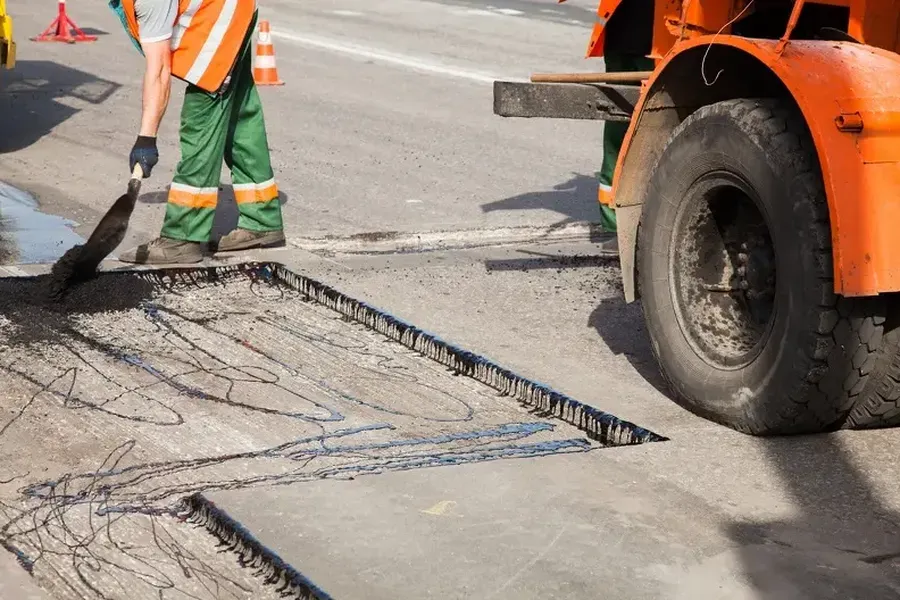
Why Prevention Matters
Pavement does not usually fail all at once. It starts with a small issue. A thin crack, a low spot, or a rough patch may not seem like much at first. But cars, rain, heat, and cold keep working on that weak area every day. Soon, the surface starts to break apart. Then the base under the pavement can get soft. Once that happens, the repair often gets bigger and harder.
Asphalt patching works because it cuts off the problem early. It fills holes, restores worn spots, and helps keep water out. That slows down damage and helps the rest of the pavement hold together. This matters on drive lanes, parking lots, and other service category surfaces where traffic is steady.
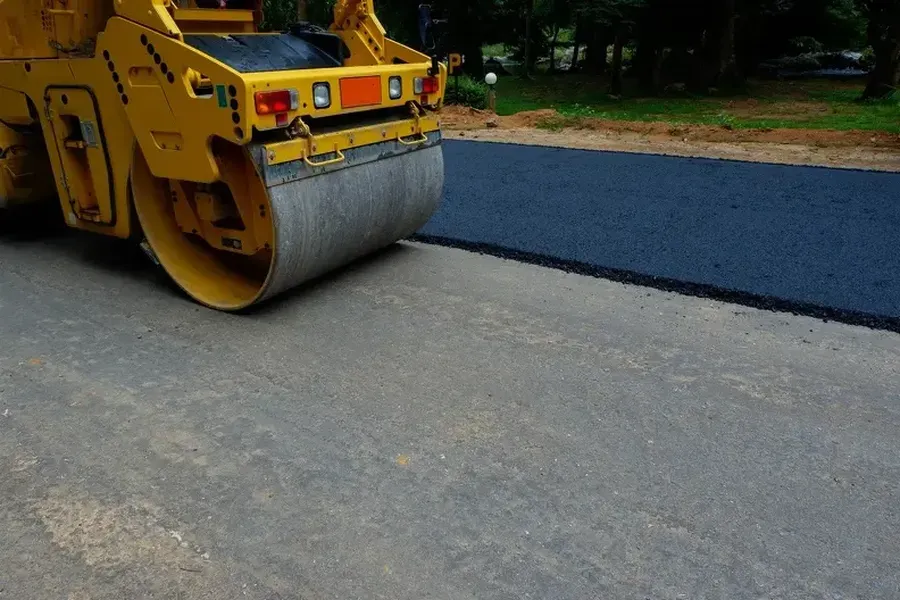
Early Warning Signs
Most pavement problems give warning signs before they turn severe. If you catch them early, a simple repair may be enough. If you wait too long, the same area may need removal and replacement.
- small cracks that keep getting longer
- potholes or loose chunks of surface
- low spots where water sits after rain
- edges that start to crumble
- faded areas with rough, dry texture
- places where tires make the surface break apart
These signs often mean the surface is losing strength. In many cases, asphalt patching can stop that weak spot from spreading across a larger section.
Seasonal or Routine Checklist
Pavement takes damage all year, but weather changes can make problems worse. Hot sun dries out the surface. Rain moves into cracks. Cold weather can make trapped water expand. A simple routine check can help spot trouble before it grows.
- walk the pavement every few months.
- look for new cracks, holes, and loose gravel.
- check for standing water after rain.
- watch areas near drains, curbs, and entries.
- mark damaged spots so they can be tracked.
- repair small problem areas before heavy traffic makes them worse.
This kind of routine helps property owners stay ahead of damage. It also helps them plan repairs at the right time instead of waiting for an emergency.
Best Practices for Long-Term Results
The goal of asphalt patching is not only to fix what you see today. It is also to protect the pavement around that spot. Good patch work helps create a smoother surface, supports vehicle weight better, and lowers the chance of water getting below the top layer.
For long-term results, the damaged area should be cleaned well before repair. Loose material needs to come out. The patch should match the problem. A shallow surface flaw may need a different fix than a deep pothole. The area also needs proper compaction so it can handle traffic without shifting.
It also helps to pair patching with other upkeep steps. Crack sealing, drainage correction, and regular surface checks can extend pavement life. When these steps work together, the patched area has a better chance of staying stable.
What Not to Do
Some quick fixes only hide the problem for a short time. They may look better for a few days, but they do not stop the damage below. That can lead to wasted time and repeat repairs.
- do not ignore small holes until they turn deep
- do not patch over loose debris or standing water
- do not treat every crack or pothole the same way
- do not assume the surface is the only damaged layer
- do not wait until traffic safety becomes a problem
One common mistake is fixing only the top while the base below stays weak. If the support under the pavement has failed, the patch may not last. Another mistake is waiting too long after the first signs show up. Damage almost always spreads faster once water gets under the surface.
When to Schedule Professional Help
Some minor surface issues may seem simple, but larger or repeated trouble spots often need a closer look. If the same area keeps failing, there may be a base problem, drainage issue, or traffic load issue. A professional can tell whether asphalt patching is the right fix or if a stronger repair is needed.
You should also get help when potholes are deep, when cracks are spreading in groups, or when water stays on the pavement after rain. These signs can point to trouble below the top layer. Early action can help avoid larger repair work later.
In places with frequent vehicle use, timing matters too. A damaged parking area or lane can affect safety, appearance, and daily use. Fast action can help protect both the pavement and the people using it.
Get Help Before Small Damage Grows
If you have worn or broken pavement in Kings Beach, CA, it is smart to act before the damage spreads. We can inspect the trouble spots and explain the next steps in plain language. Contact Tahoe Mountain Asphalt LLC to talk about repair options that fit your site. Call us at (987) 654-3321 to schedule a visit or ask questions about your pavement.