A New Surface Layer Helps Protect Pavement and Slows Down Wear
Asphalt resurfacing extends pavement lifespan by adding a fresh top layer over worn pavement. This new layer seals small surface flaws, improves water runoff, and helps protect the base below. When the base is still stable, resurfacing can delay bigger repairs and keep driveways and parking lots in better shape for more years. In places like Kings Beach, CA, this can be a smart way to deal with daily traffic, weather, and aging pavement.
What You Need Before Starting
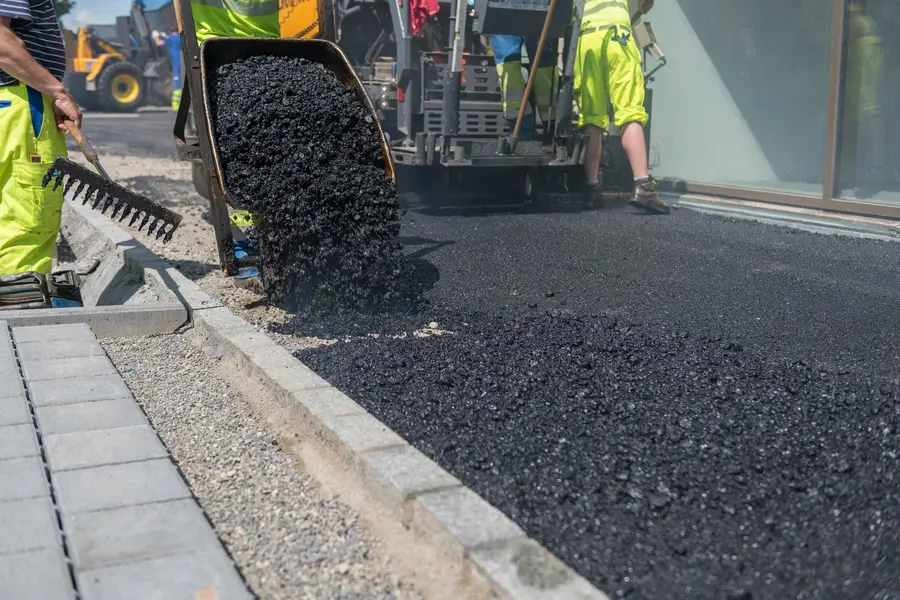
Before any resurfacing project begins, the pavement needs a close look. This step helps show if the surface is a good fit for repair or if deeper work is needed. asphalt resurfacing works best when the lower layers still have good strength. If the base has failed, a new top layer alone will not last long.
You also need a clear plan for drainage, traffic use, and timing. A driveway has different needs than a busy parking area. The surface category keyword may be blank here, but the service still falls under pavement care and site maintenance.
Step-by-Step Process
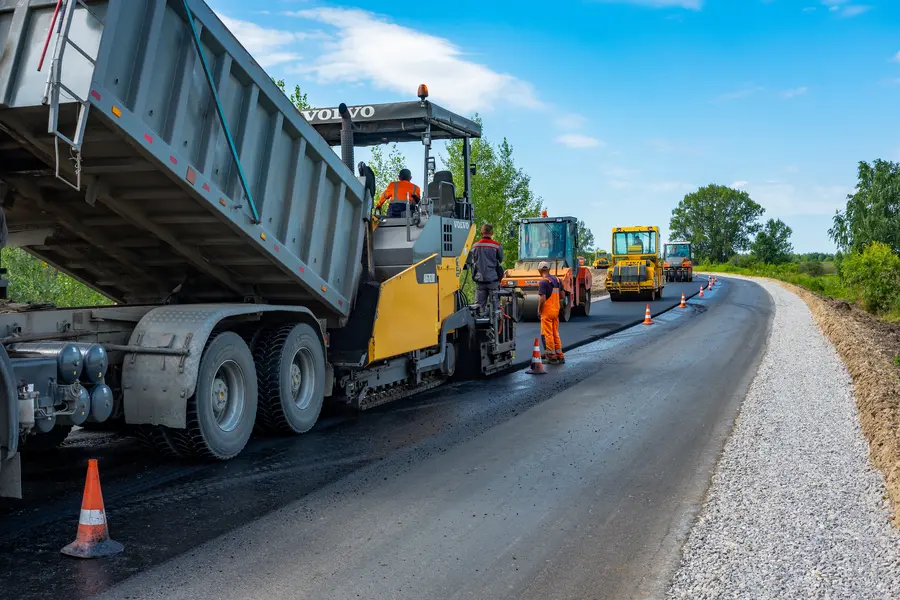
The process is fairly simple, but each step matters. Skipping prep work often leads to early cracks or rough spots. A solid resurfacing job usually follows these steps:
- Inspect the pavement for cracks, dips, potholes, and drainage issues.
- Repair damaged areas so weak spots do not stay trapped below.
- Clean the full surface to remove dirt, dust, oil, and loose material.
- Apply a bonding layer if needed to help the new asphalt stick.
- Install the new asphalt layer at the right thickness.
- Compact the surface so it is smooth, dense, and even.
- Let the pavement cure before regular vehicle traffic returns.
Each stage supports the next one. If the old surface is dirty or damaged, the fresh layer may not bond well. If compaction is poor, water can slip into small gaps and start new damage faster.
Common Mistakes to Avoid
One common mistake is resurfacing too late. If a surface has deep cracks, major potholes, or base failure, a new top coat may only hide the problem for a short time. Another issue is poor drainage. Water is one of the biggest threats to pavement life. If it pools on the surface or slips below it, the pavement weakens over time.
Some property owners also choose the cheapest patchwork instead of fixing the real trouble spots first. That can lead to early failure. Heavy traffic is another factor. A parking lot used by trucks needs a stronger plan than a small residential drive.
When Resurfacing Helps the Most
Asphalt resurfacing is most helpful when the pavement shows wear on top but still has strength underneath. Good examples include faded color, light cracking, small rough areas, and minor surface aging. In these cases, resurfacing can restore a smoother finish and protect the structure below.
It also helps extend life by blocking out moisture and sun damage. The top layer takes the daily wear so the lower layers do not break down as fast. This can give property owners more usable years before full replacement is needed.
Best Practices for Longer-Lasting Results
If the goal is a longer pavement lifespan, resurfacing should be part of a bigger care plan. A new surface lasts longer when the pavement is maintained after the work is done.
- Fix new cracks early before water gets in.
- Keep drains and edges clear of debris.
- Clean oil and chemical spills when possible.
- Avoid very heavy loads in weak areas.
- Watch for low spots where water collects.
- Schedule routine inspections as the pavement ages.
These simple steps can help the surface stay stronger and smoother. They also help catch small issues before they grow into large repairs.
When to Call a Professional
Some signs call for expert help right away. If the pavement has wide cracks, sinking spots, repeated potholes, or poor drainage, a trained crew should inspect it. These issues may point to trouble below the surface. In that case, resurfacing may still be possible, but only after base repairs are made.
A professional can also help decide the right thickness, mix, and timing for the new layer. Weather matters too. If the material is placed in poor conditions, the final result may not hold up as expected. A careful plan can make a big difference in how long the pavement lasts.
Final Recommendation
If your pavement looks worn but still has a solid base, asphalt resurfacing can be a practical way to add years to its life. It renews the top layer, helps guard against water damage, and improves how the surface looks and feels. For property owners in Kings Beach, CA, this can be a smart step before damage gets worse. At Tahoe Mountain Asphalt LLC, we can inspect the surface, explain the next steps, and help you decide what makes sense for your property. Call us at (987) 654-3321 to talk with our team.