
The Best Results Happen in Dry, Mild Weather With Steady Temperatures
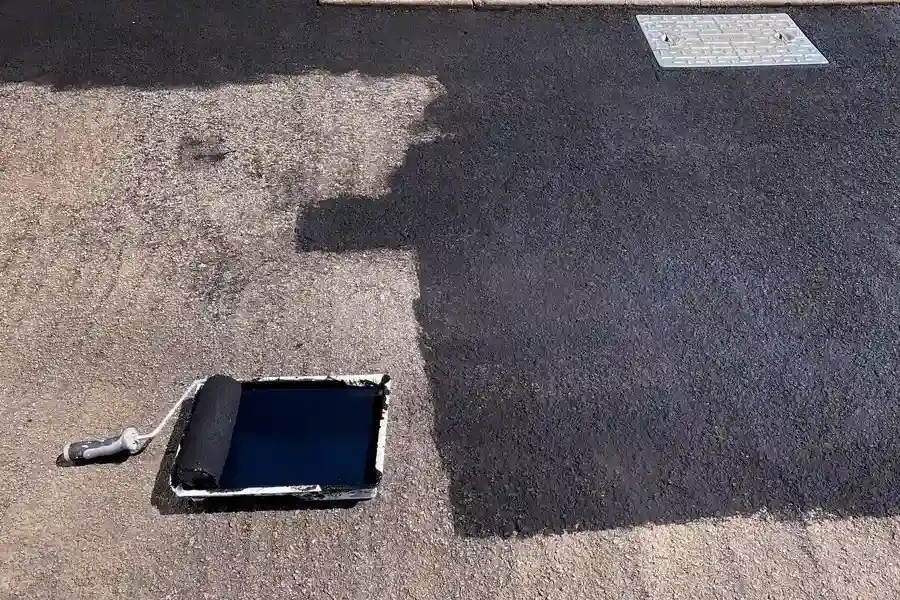
Weather plays a big part in asphalt sealcoating results. Dry air, warm pavement, low wind, and no rain for at least a day help the coating cure the right way. If the surface is too cold, too hot, wet, or exposed to heavy humidity, the finish may dry too slowly, wear out early, or look uneven. In places like Kings Beach, CA, changing weather can make timing just as important as the product itself.
Why Prevention Matters
Asphalt sealcoating protects pavement from water, sun, oil, and daily wear. That protection works best when the coating bonds well and cures at the right speed. Bad weather can weaken that bond from the start. A driveway or parking lot may look fine on day one, then show peeling, tracking, or soft spots soon after. Preventing that starts with knowing which weather conditions help and which ones hurt.
Early Warning Signs
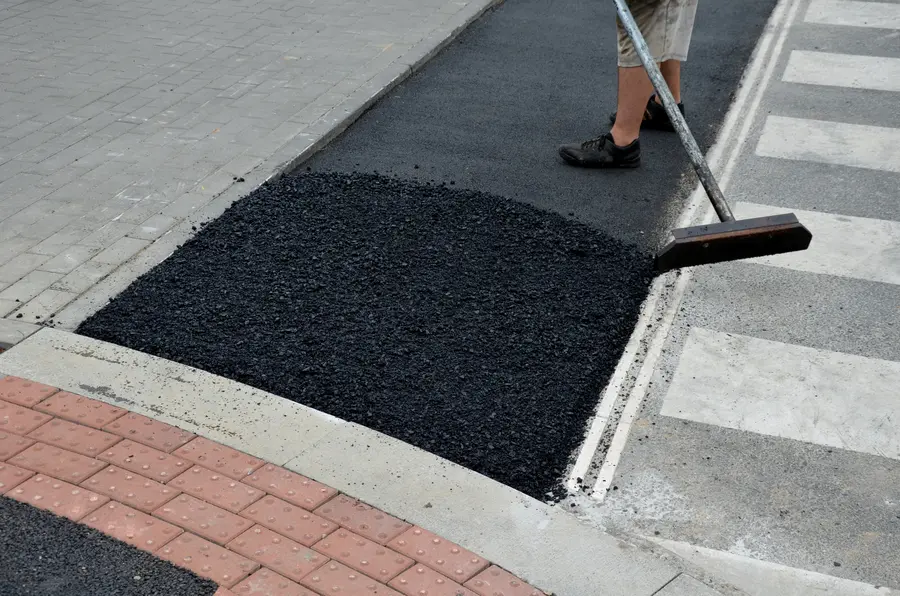
You can often spot weather-related problems soon after the job is done. If the coating stays tacky too long, that is a warning sign. If tire marks show up fast, the surface may not have cured well. A patchy color can mean moisture or uneven drying. In some cases, the sealer may begin to flake or wear thin much sooner than expected. These issues do not always mean the product was bad. Often, the weather during application caused the problem.
Seasonal or Routine Checklist
Before scheduling asphalt sealcoating, it helps to check a few basic weather items. A simple plan can save time and help the surface last longer.
- Check the air temperature for the day and night.
- Check the pavement temperature, not just the forecast.
- Make sure no rain is expected for 24 to 48 hours.
- Watch humidity levels if the air feels damp or sticky.
- Avoid very windy days that can speed uneven drying.
- Do not coat a surface with morning dew or leftover moisture.
- Plan around shade, since shaded areas dry slower.
Spring and fall are often good times for this work, but only when the weather stays steady. Summer can also work well, though extreme heat may create its own problems. Winter is usually a poor time because cold pavement slows curing too much.
Best Practices for Long-Term Results
The best weather for asphalt sealcoating is usually mild and dry. Many contractors aim for air and surface temperatures above 50 degrees. Some products need even warmer conditions. Warm pavement helps the coating spread well and bond better. Dry weather matters just as much. Even light rain too soon can wash away fresh material or leave marks across the surface.
Humidity can also affect drying time. On humid days, water in the sealer leaves the surface more slowly. That means the coating may stay soft longer than expected. This becomes a bigger issue in shaded areas, tight parking lots, or spots with poor airflow. Direct sunlight often helps drying, but too much heat can make the coating set too fast on top while staying soft underneath.
Another factor is wind. A light breeze may help some drying, but strong wind can cause uneven curing. Dust and debris may also blow onto fresh sealant. When that happens, the finish may look rough or wear unevenly.
Good prep also supports better results. Clean pavement, repaired cracks, and proper timing all matter. That is true for both residential driveways and larger asphalt maintenance plans for commercial lots. If the surface already holds moisture below the top layer, even a dry day may not be enough.
What Not to Do
A few common mistakes can lead to poor results, even with a good sealcoat product.
- Do not apply sealer right before rain.
- Do not coat pavement that is damp from dew or sprinklers.
- Do not schedule the job after a cold night if the surface has not warmed up.
- Do not ignore shaded spots that dry slower than sunny areas.
- Do not drive on the surface too soon, even if it looks dry.
- Do not assume hot weather always means faster, better curing.
People often focus only on the day’s high temperature. That can be misleading. The surface temperature, overnight low, and moisture in the air all matter. A warm afternoon will not help much if rain arrives that evening or if the pavement started the day wet.
When to Schedule Professional Help
Some jobs are easy to postpone for better weather. Others need closer planning. Large parking areas, busy drive lanes, and properties with heavy shade often need a more careful schedule. A professional can check the pavement condition, drainage, sun exposure, and weather window before work begins. That is helpful when timing matters and you want the coating to last as long as possible.
It also makes sense to get help when the asphalt has cracks, oil spots, or past coating failure. Those issues can get worse if fresh sealer is applied during poor weather. A trained crew can spot risks early and avoid a wasted application.
Get Help Choosing the Right Weather Window
If you’re planning asphalt sealcoating in Kings Beach, CA, we can help you choose a better time for the job. We at Tahoe Mountain Asphalt LLC want the surface to cure well and last longer. Call us at (987) 654-3321 to talk with our team and schedule service when the weather works in your favor.