
A Smooth, Long-Lasting Asphalt Surface Starts With the Right Slope and Base
Proper grading matters before asphalt installation because it helps water drain the right way, supports the weight of traffic, and keeps the surface from cracking too soon. If the ground is too flat, too steep, or uneven, the asphalt can fail early. Good grading gives the new surface a stable base and helps avoid puddles, soft spots, and edge damage. In places like Kings Beach, CA, this step can make a big difference in how long a driveway or parking area lasts.
Quick Diagnosis Summary
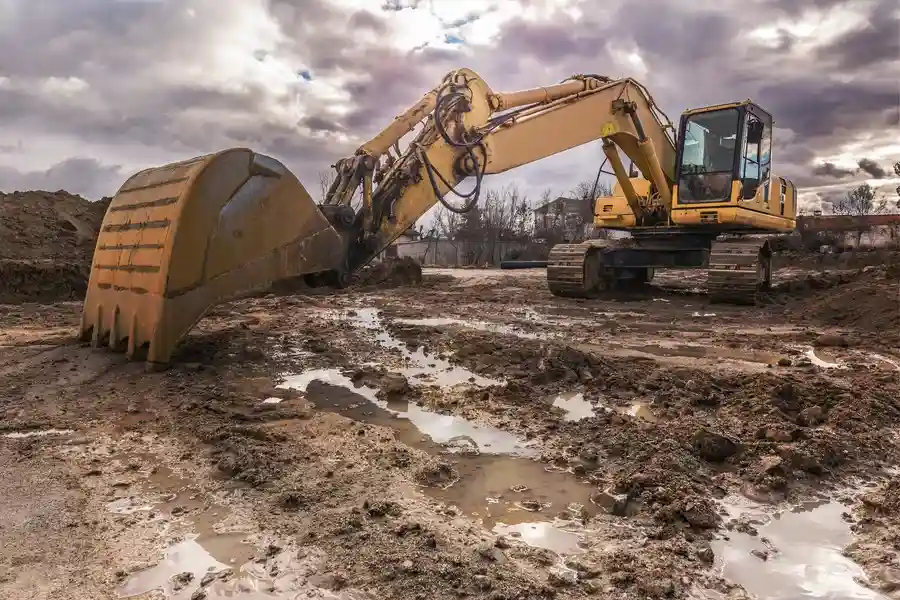
If asphalt fails early, poor grading is often part of the problem. The surface may look fine at first, but trouble starts when water sits in low spots or when the base shifts under weight. Many paving problems do not begin with the asphalt itself. They begin below it. That is why excavation services are often part of a better paving plan. Even a well-laid surface can wear out fast if the slope and base were not prepared the right way.
Common Symptoms
Bad grading usually shows up in clear ways. You may see water pooling after rain. You may notice soft places near the edges. Some areas may sink, while others crack in lines or small webs. In a parking lot, cars may leave marks where the base has moved. On a driveway, one side may wear down faster than the other.
These signs often point to a grading problem under the surface:
- Puddles that stay for hours or days
- Cracks forming in the same spots
- Low areas that collect mud
- Loose edges breaking apart
- Ruts where tires pass often
- Water running toward a building instead of away from it
Likely Causes
Several problems can lead to poor grading before asphalt is installed. One common cause is uneven soil that was never shaped the right way. Another is loose fill that was not compacted enough. Sometimes the slope looks fine by eye, but it does not move water well. In other cases, the base stone is too thin or spread unevenly.
Drainage planning also matters. If the area does not direct water away from the paved surface, water can seep into the base. Once that happens, the ground may soften and shift. Freeze and thaw cycles can make this even worse. This is why excavation services and site prep work are often tied closely to paving success. In some projects, a service category keyword may include grading, trenching, base prep, and drainage correction as part of one full site package.
What to Check First
Before asphalt goes down, check the shape and strength of the site. Start by looking at the slope. Water should move away from the surface, not sit on it. Then check the soil and stone base. The ground should feel firm and even, not soft or wavy.
Here are some simple things to review before paving begins:
- Look for low spots where water may collect.
- Check that the slope leads water away from structures.
- Measure base depth in more than one area.
- Make sure the soil was compacted well.
- See if edge support is in place.
- Confirm that drainage paths are clear.
These checks can help spot problems before they get buried under fresh asphalt. Fixing grading first is usually easier and less costly than tearing out new pavement later.
Safe Fixes Vs Pro-Level Fixes
Some small grading issues can be handled early with simple site cleanup or minor reshaping. For example, removing loose soil, filling a shallow dip, or clearing a blocked drainage path may help. Still, many grading problems need more than a quick patch. If the base is weak, if the slope is off across a wide area, or if water drains toward a garage or building, the fix is more involved.
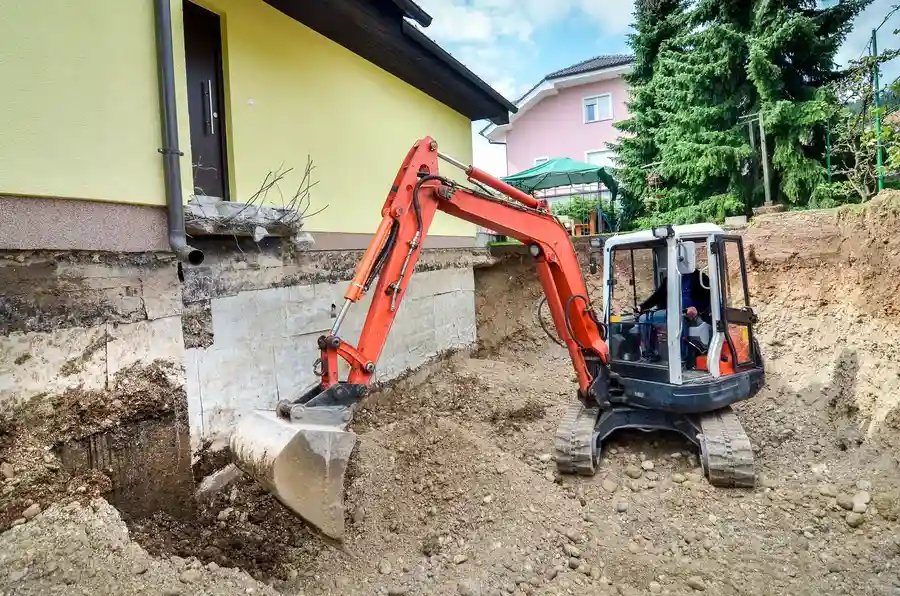
Pro-level work may include regrading the area, hauling in new base material, compacting soil in lifts, or setting the right pitch with equipment. This is where excavation services matter most. The goal is not just to make the site look level. The goal is to create the right slope and support for the asphalt to perform well over time.
Prevention Tips
The best way to avoid asphalt trouble is to treat grading as a key part of the project, not an extra step. A solid plan before paving can prevent many common failures. Good site prep helps water move away, supports traffic loads, and keeps the surface more even for years.
Helpful prevention steps include:
- Grade for drainage before base stone is placed
- Use the right amount of compacted base material
- Check elevations across the full site
- Pay close attention to edges and tie-in points
- Do not pave over soft or wet ground
- Fix runoff issues before asphalt installation starts
These steps help reduce early cracking, sinking, and standing water. They also support better results for driveways, private roads, and commercial paved areas.
Final Recommendation
Before any paving job moves ahead, it is smart to take a close look at the grade, base, and drainage plan. A good asphalt surface needs more than fresh material on top. It needs stable support below. In Kings Beach, CA, local soil and weather can make prep work even more important. If a site has puddles, slope issues, or signs of weak ground, it is best to address those problems first. At Tahoe Mountain Asphalt LLC, we handle excavation services that help set the stage for better paving results. Call us at (987) 654-3321 to talk with our team about your site and the next steps.